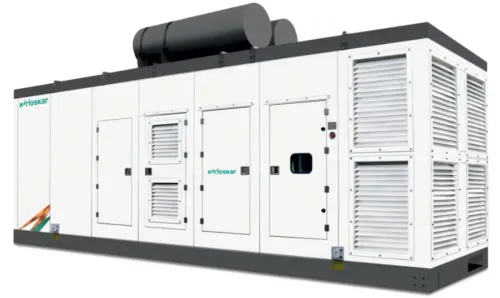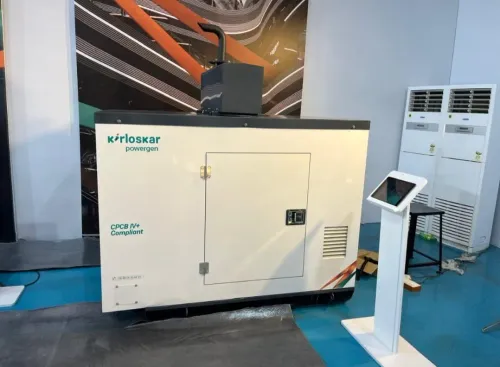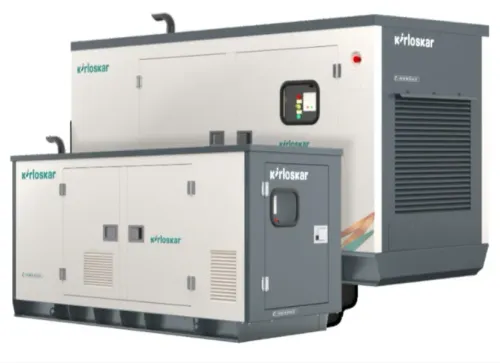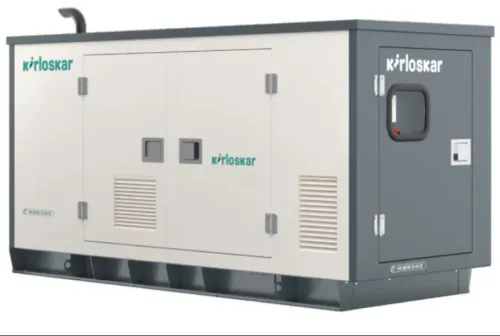
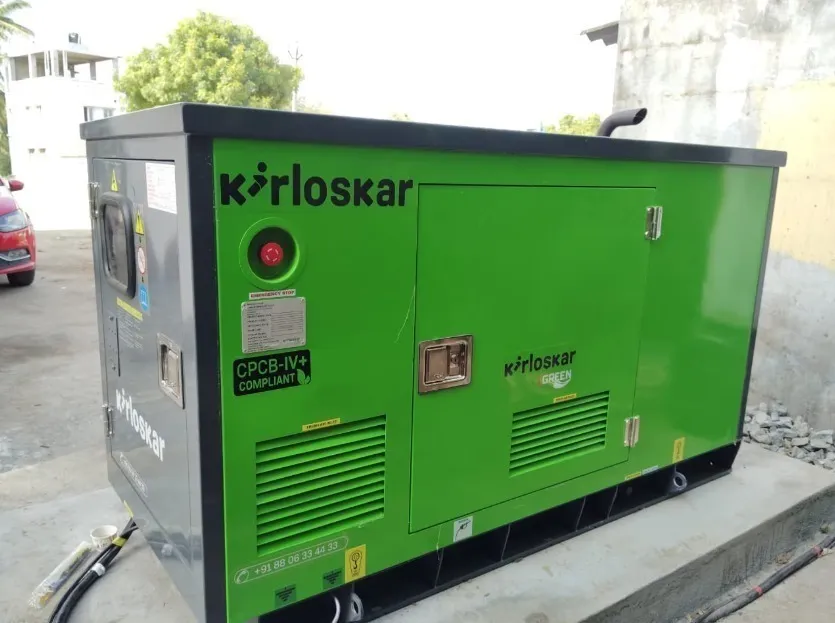
Backup power has changed considerably from the days when generator selection was based mainly on capacity. Businesses now consider operating efficiency, emissions requirements, noise management, control systems, serviceability, and compatibility with changing electrical loads. These factors are important when evaluating a Kirloskar Green Generator for commercial or industrial applications.
Generator sizing remains the starting point. An undersized generator can struggle with demanding loads, while significantly oversizing a unit may result in inefficient operation. The correct capacity depends on the equipment that must continue running during an outage.
A proper load study may consider:
- Lighting systems
- Computers and servers
- Pumps
- Elevators
- Air-conditioning equipment
- Compressors
- Production machinery
- Safety and security equipment
- Medical or laboratory equipment
- Other critical electrical loads
Motor-driven equipment deserves particular attention because starting demand can be substantially different from normal running demand.
For businesses in Bangalore, generator placement is another important planning factor. Karnataka's major commercial and industrial centres include properties with very different space constraints, ranging from standalone factories to compact commercial buildings. Ventilation, exhaust arrangements, acoustic considerations, maintenance access, and cable routes should therefore be evaluated before installation.
Modern buyers should also consider control and monitoring capabilities. Depending on the configuration, generator systems can incorporate controls that help operators observe operating conditions, alarms, electrical parameters, and system status. The required level of monitoring should match the criticality of the application.
Emission compliance is equally important when purchasing a new generator. Buyers should verify the applicable regulatory requirements and ensure the offered configuration and documentation are appropriate for the intended installation.
Maintenance planning should not begin after commissioning. Service intervals, consumables, access for technicians, operating records, and periodic inspections all contribute to dependable generator performance.
Metro Power Corporation supports generator buyers in Bangalore who need to assess backup-power requirements for commercial and industrial applications.
A useful purchasing approach is to treat the generator as part of the facility's electrical infrastructure rather than as an isolated machine. The DG set needs to work effectively with the load, electrical distribution system, changeover arrangement, installation environment, and operational procedures.
For Bangalore businesses, this broader evaluation helps ensure that generator selection addresses practical requirements such as reliable backup, manageable operating costs, appropriate capacity, regulatory considerations, and maintainability throughout the equipment's service life.
Keywords