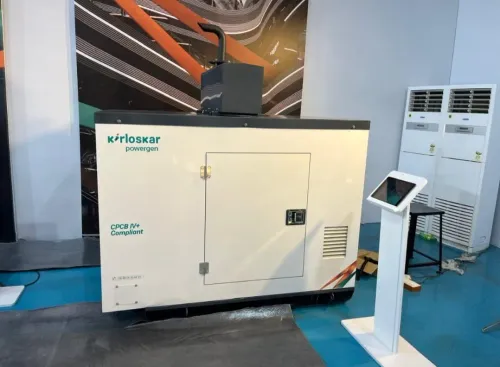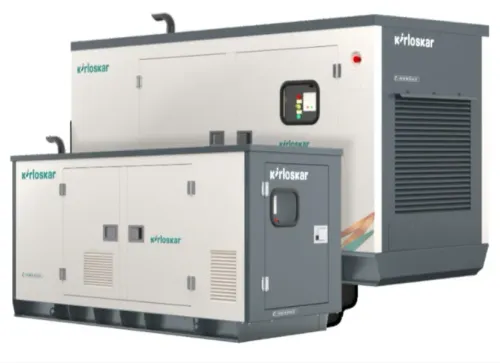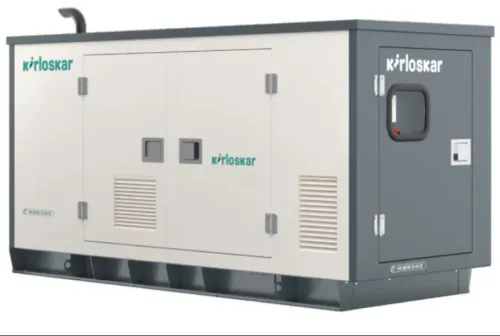
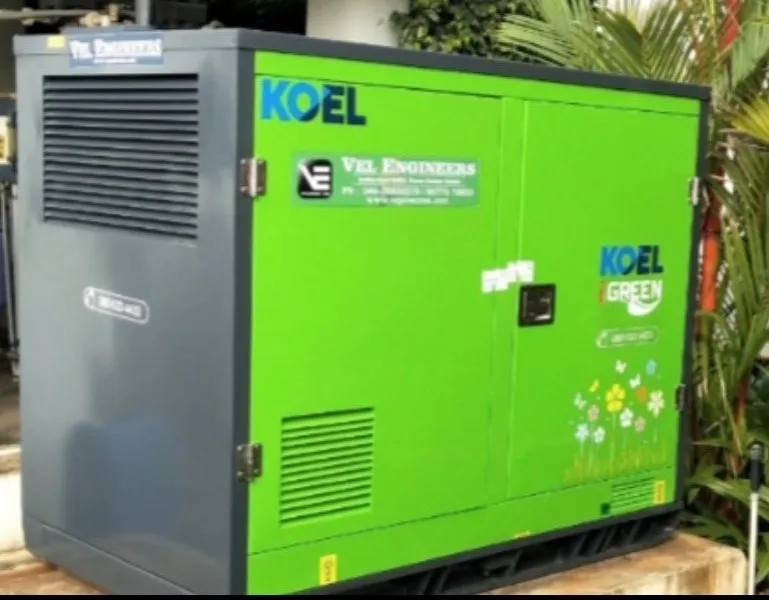
Choosing a generator becomes easier when the decision starts with the electrical requirement rather than a preferred capacity. Businesses evaluating a KOEL Generator should first understand what must remain operational during a power interruption and how those loads behave when the generator starts supplying electricity.
Begin by preparing a list of essential loads. Separating critical equipment from non-essential equipment can prevent unnecessary oversizing.
For example, a commercial property may need backup for lifts, lighting, security systems, computers, pumps, and selected air-conditioning equipment. A manufacturing facility may instead prioritise production machinery, compressors, process equipment, pumps, control panels, and safety systems.
Once the loads are identified, consider their starting characteristics. Motors can require additional power during startup. Starting several high-demand machines simultaneously can place significantly more stress on a generator than their normal running load suggests.
The next step is to review the installation environment.
Before finalising a generator, assess:
- Available installation space
- Ventilation requirements
- Exhaust routing
- Maintenance clearance
- Fuel arrangements
- Cable routing
- Electrical changeover arrangements
- Noise considerations
- Equipment access for future servicing
These factors are particularly relevant in Bangalore, where generators may be installed in industrial estates, commercial buildings, hospitals, educational campuses, warehouses, hotels, and mixed-use properties.
Buyers should also examine how frequently backup power will be required. A generator used occasionally during short outages has a different operational profile from one expected to support prolonged or frequent power interruptions.
Future electrical expansion should also be discussed. If a Bangalore facility expects additional machinery or another production line, that potential demand may influence today's generator sizing decision. However, excessive oversizing simply for uncertain future requirements can also create inefficiencies.
Metro Power Corporation works with businesses assessing generator solutions in Bangalore and can help translate actual electrical requirements into a more practical capacity evaluation.
Documentation deserves attention before procurement as well. Buyers should review equipment specifications, applicable compliance information, warranty terms, commissioning scope, maintenance requirements, and service arrangements.
Generator selection is therefore not simply a matter of matching a kVA number with a catalogue. The appropriate system should reflect actual running load, starting demand, operational importance, installation conditions, compliance requirements, and anticipated usage.
A structured assessment gives commercial and industrial buyers across Karnataka a stronger foundation for comparing options and choosing backup power equipment suited to real operating conditions.
Keywords